A respectful but honest guide to Santa Teresa's alternative wellness scene, what's transformative, what's theater, and how to tell the difference.
Santa Teresa's alternative wellness scene is genuinely one of the most interesting things about this town, and also one of the easiest to spend money on badly. You can find real transformation here, and you can also find a guy with a drum and a Spotify playlist charging $45 for a "ceremony." This guide helps you tell the difference.
What's Actually on Offer
The spectrum runs wide. On any given week in Santa Teresa you can access:
- Breathwork (Wim Hof method workshops, holotropic-style sessions, somatic breathwork)
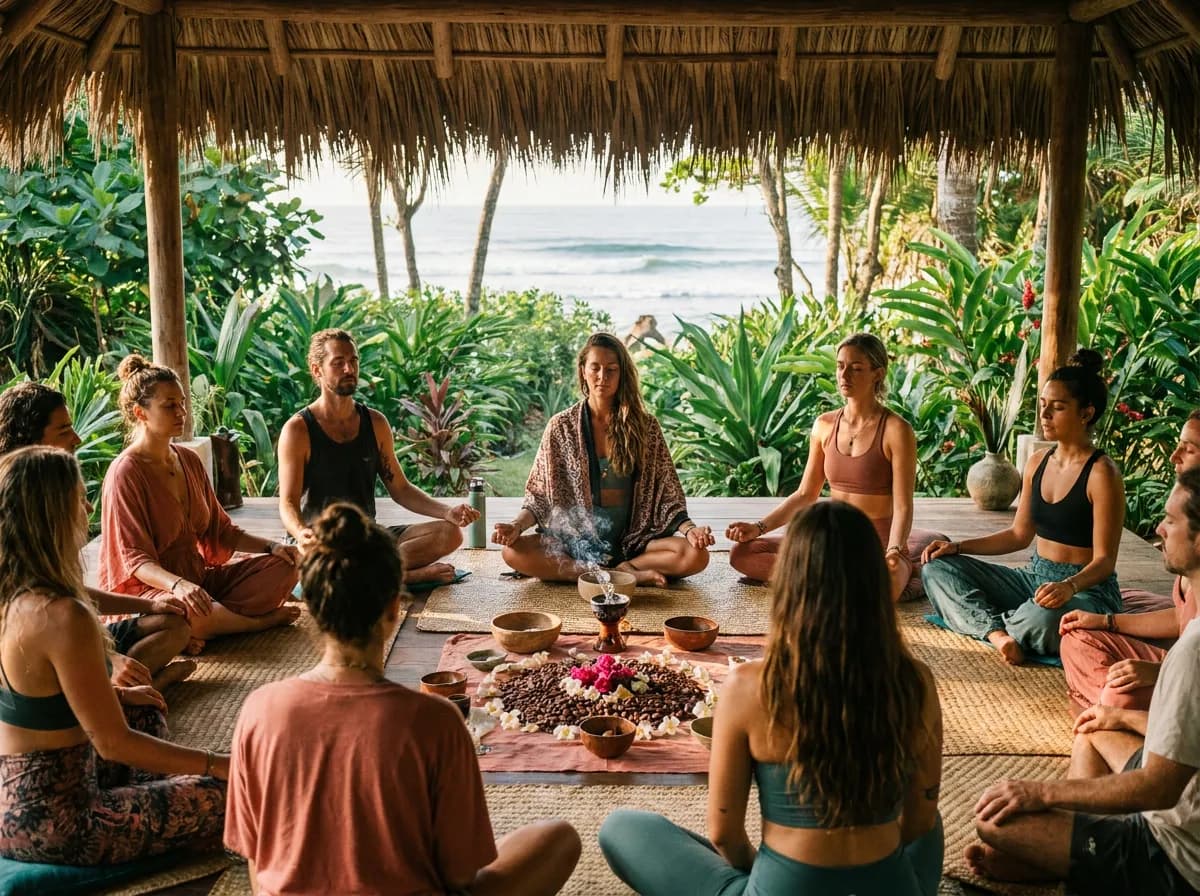
- Cacao ceremonies (facilitated heart-opening sessions using ceremonial-grade cacao)
- Sound healing (crystal singing bowls, gong baths, Tibetan bowl sessions)
- Plant medicine integration (pre- and post-ceremony support, not the ceremonies themselves)
- Moon circles and womb healing (Pachamama Sanctuary is the main anchor for this)
- Ecstatic dance (Sattva Yoga Shala runs these as part of their monthly membership)
- Somatic therapy and trauma-informed bodywork (a smaller but serious subset of practitioners)
- Surf therapy (structured mental health programming, not just "surfing feels good")
According to costarica-spirit.com, the sound healing scene alone involves 4-6 resident practitioners running sessions multiple times weekly. That's not a tourist novelty. That's a real local ecosystem.
Cacao Ceremonies: The Most Oversaturated Category
Cacao ceremonies have exploded here. Facilitated sessions using ceremonial-grade cacao from local sources combine guided meditation, intention-setting, live music, and community sharing. When they're done well, they're genuinely moving. When they're done poorly, you're sitting in a circle paying $35-45 to drink hot chocolate while someone reads affirmations off their phone.
The price range across the zone is $30-45 for a standalone ceremony, per costaricawellnessdirectory.com. That's not the problem. The problem is that this modality attracts both deeply trained facilitators and opportunistic ceremony tourism in roughly equal measure.
How to vet a cacao ceremony before you book:
- Ask how long the facilitator has been working with cacao specifically. A year is not long.
- Ask where their cacao comes from and whether it's ceremonial grade (not commercial chocolate powder).
- Ask what the container looks like: how many people, how long, what happens if someone has a difficult experience.
- Read reviews from people who have done plant medicine work before, not just first-timers who found everything profound.
Sattva Yoga Shala runs regular cacao ceremonies integrated into their broader programming and has built a genuine reputation for intentional, ceremony-focused work. Check bulletin boards at Banana Beach or Product grocery for smaller, often donation-based sunset ceremonies run by visiting facilitators.
Breathwork: Less Hype, More Substance
Breathwork is where the quality floor is higher. The techniques (Wim Hof method, holotropic-style, somatic) have documented physiological effects and require facilitators who know how to hold space when someone goes into an altered state, which happens regularly. Most serious breathwork practitioners here take that responsibility seriously.
costarica-spirit.com notes 2-4 weekend workshops per month during peak season (December through April), with fewer but still consistent offerings in low season. Standalone breathwork sessions run $35-50 as of mid-2026, confirm locally as pricing shifts.
The somatic end of this spectrum is worth calling out separately. Practitioners like Jessica at Embodied Healing use breathwork combined with gentle touch and nervous system regulation for trauma-informed work. Her sessions run $95 for 75 minutes and require a phone consultation first, per costaricawellnessdirectory.com. That's a higher bar to entry, and it's appropriate. This is clinical-adjacent work, not a group experience.
Sound Healing: Legitimately Good, Widely Available
Gong baths and crystal bowl sessions have been a consistent part of the Santa Teresa scene since around 2019. Sessions run 60-90 minutes and cost $25-45. They're hosted at studios, at Kula Shala (which pairs contrast therapy with sound healing and breathwork), and occasionally on the beach at sunset.
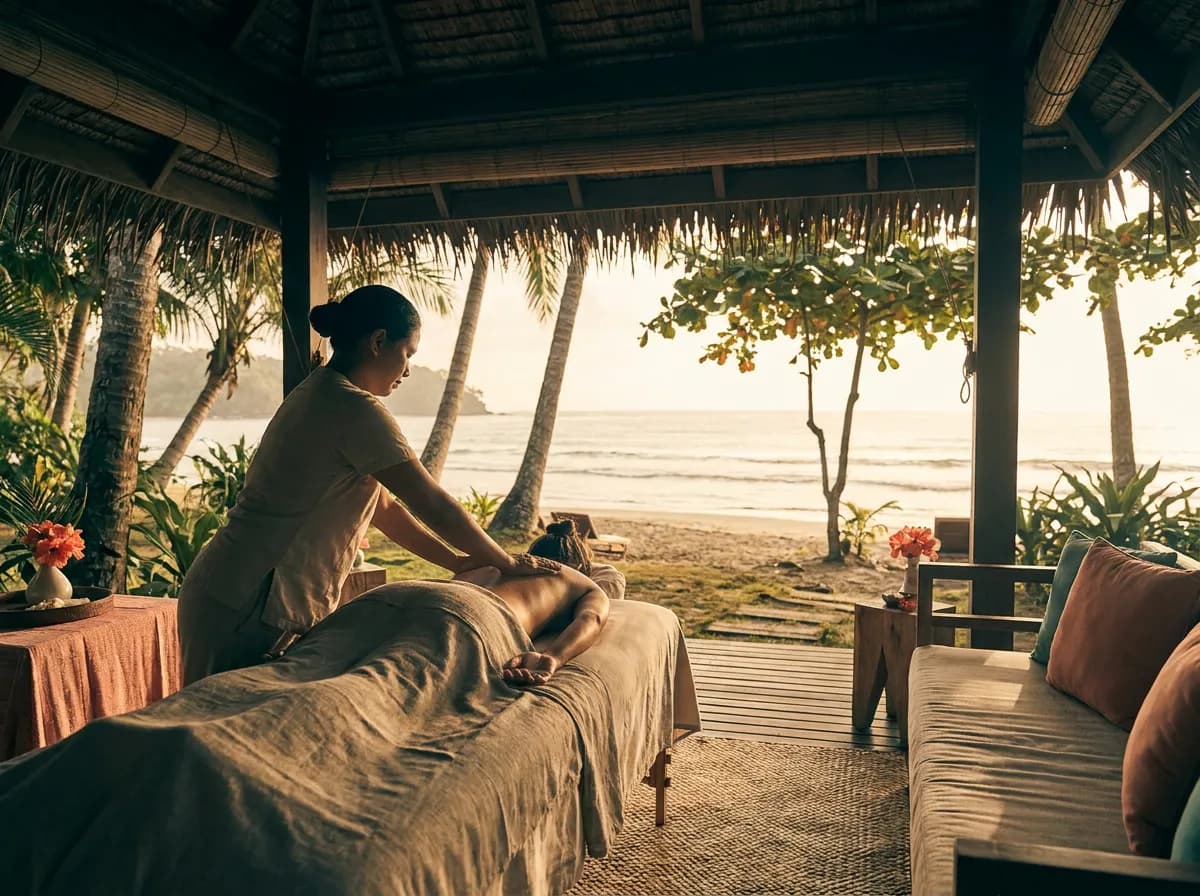
This is one of the lower-risk entry points into the alternative wellness scene here. The worst outcome is a pleasant nap. The best outcome is a genuine nervous system reset that costs less than a massage. If you're curious but skeptical, start here. For a broader look at bodywork options, see our best massages guide.
Plant Medicine Integration: A Niche Worth Knowing About
Santa Teresa is not a plant medicine destination in the way that some other parts of Costa Rica are. What exists here is integration support: pre- and post-ceremony sessions for people participating in ayahuasca or psilocybin experiences elsewhere. The Sanctuary offers these at $80 per session, per costaricawellnessdirectory.com. If you're doing serious plant medicine work on the peninsula, having a trained integration facilitator is not optional, it's harm reduction.
The Women's Wellness Corner
Pachamama Sanctuary runs monthly moon circles, womb healing sessions, and sacred cacao ceremonies specifically designed for women's healing. The practitioners there have specific training in trauma-informed nervous system work. This is not generic "goddess energy" programming. It's a more serious container than most, and it's worth knowing about if that's what you're looking for.
How to Budget
Here's a realistic price snapshot for mid-2026, drawn from costaricawellnessdirectory.com and costarica-spirit.com. Confirm locally as things shift:
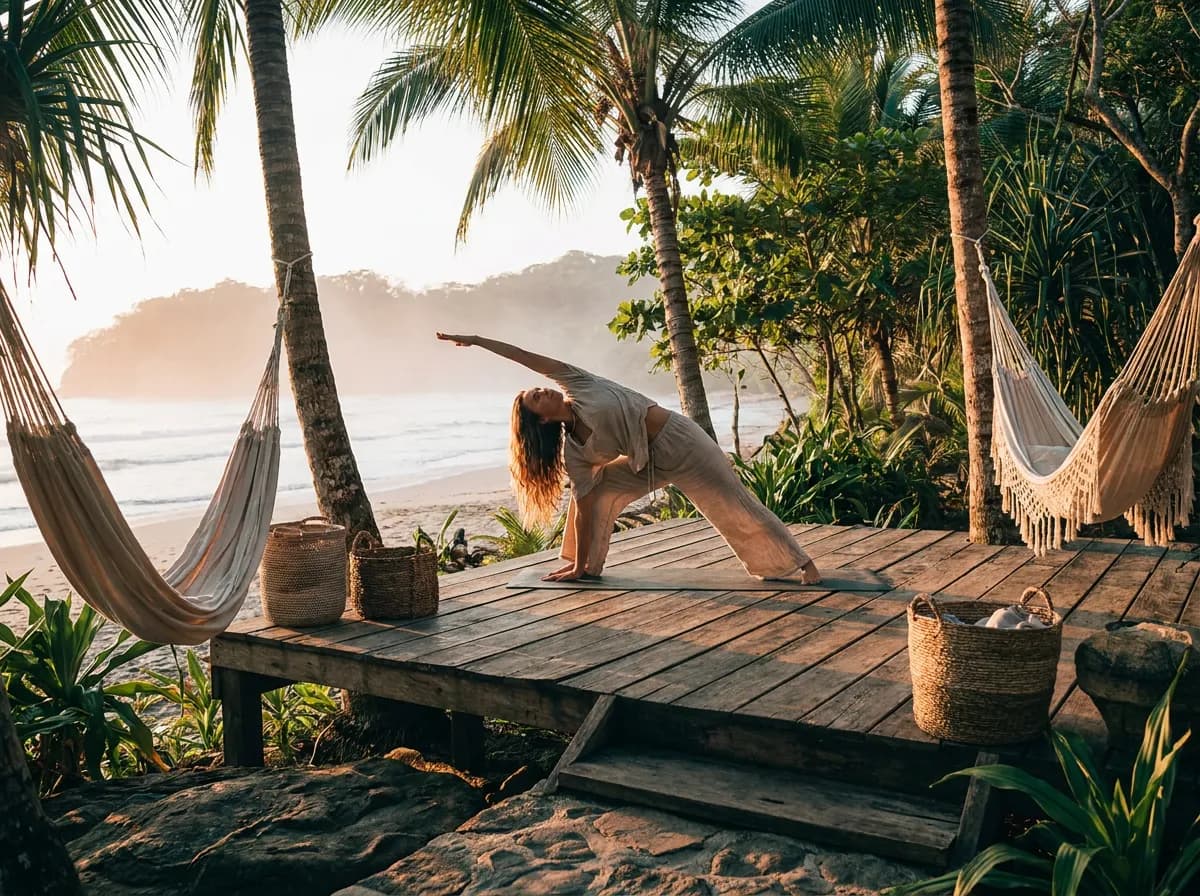
- Drop-in yoga class: $18-25
- Sound bath: $25-45
- Cacao ceremony: $30-45
- Breathwork session: $35-50
- Plant medicine integration: $80-100
- Somatic/trauma-informed bodywork: $80-100 per session
If you're planning a week of wellness programming, budget $200-350 for experiences beyond accommodation and food. Smaller retreat packages (3-5 days, twice-daily yoga, meals, one ceremony) run well below internationally marketed retreat prices. Jungle Yoga Lodge and various teacher-run Airbnb properties are worth investigating for these. For full retreat options, see our wellness retreats guide.
Santa Teresa vs. Nosara: The Honest Comparison
costarica-spirit.com puts it well: if yoga and wellness are 100% of your purpose, Nosara has more daily class options and a more organized infrastructure. Santa Teresa's scene is less curated, more spontaneous, and still evolving. The anchor properties (Pranamar Oceanfront Villas and Florblanca Resort) give the town genuine world-class retreat credentials. The street-level ecosystem gives it character. If you want surf, social life, and wellness woven together without a wellness-resort price tag, this is the right place. See our best yoga studios guide for the full class ecosystem breakdown.
Booking Logistics
Most studios accept walk-ins during low season (May through November). Popular teachers, sunset sessions, and specialty workshops fill up fast in high season. Book 24-48 hours ahead via studio websites or WhatsApp during peak times. Check the events calendar for what's running during your visit, since visiting facilitators bring workshops that aren't always listed far in advance.
FAQ
Are cacao ceremonies safe? For most people, yes. High-dose ceremonial cacao can interact with certain medications, particularly MAOIs and SSRIs. Tell your facilitator what you're taking before you participate. A good facilitator will ask.
Is this scene beginner-friendly or is it for experienced practitioners? Both. Most drop-in classes and sound baths need zero prior experience. Holotropic breathwork and trauma-informed somatic work are better approached after some baseline self-awareness practice, and good facilitators will tell you that honestly.
How do I find out what's happening while I'm there? Check bulletin boards at Banana Beach and Product grocery. Ask at your accommodation. Follow local studios on Instagram. The events page is the best starting point for planned programming.
What's the difference between a wellness retreat and just booking classes a la carte? A retreat gives you structure, community, and usually accommodation and meals bundled in. A la carte is cheaper and more flexible. If this is your first time here, a la carte lets you sample before committing to a full program.
Is surf therapy a real thing or marketing? Real. Several operators run structured programs with qualified facilitators targeting anxiety, burnout, and trauma, drawing from clinical referral networks in North America. It's one of the more genuinely innovative offerings in the zone.
Browse the full /directory/heal hub to find vetted practitioners and wellness centers across the Nicoya Peninsula.