Honest, field-checked safety for Santa Teresa: petty theft, rips, the real #1 danger (ATVs), bugs, sun, water, solo travel and emergency numbers.
Santa Teresa is genuinely one of the safer beach towns in Central America, and most people leave here without a single bad incident. But "safe" is not the same as "risk-free," and a few specific hazards here are serious enough that you need to know about them before you arrive, not after.
The Real Number One Danger: ATVs and Motorbikes
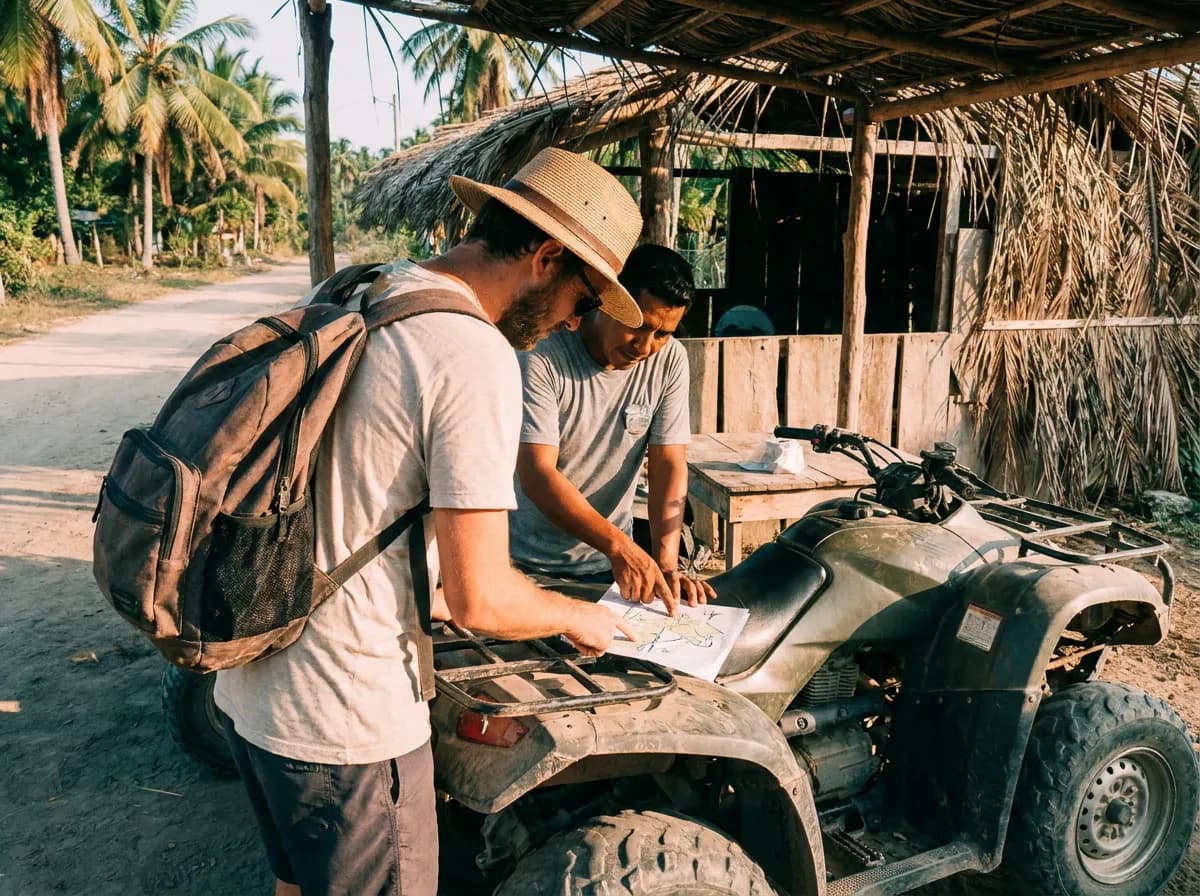
Nobody puts this in the brochure, but the community talks about it constantly. The main road through Santa Teresa and Mal Pais is unpaved, potholed, sandy in patches, and shared by ATVs, motorcycles, pedestrians, dogs, horses, and the occasional delivery truck. Accidents happen every week. Some are minor. Some are not.
If you rent an ATV or motorbike, which is the most practical way to get around, read the ATV and quad tour guide before you commit to anything. A few non-negotiable habits:
- Never drive at night if you don't know the road. Potholes that are annoying at noon are invisible at 10pm.
- Wear shoes you can actually walk in, not flip-flops while riding.
- Lock your ATV whenever you park outside a bar or restaurant.
- Do not drink and ride. This sounds obvious. It is ignored constantly.
As santateresadirtroad.com puts it bluntly: avoid riding alone late at night after drinking. That single rule would prevent most of the serious incidents that happen here. Also see our getting around guide if you want alternatives.
Petty Theft: The Most Common Problem
Serious violent crime in Santa Teresa is rare. Opportunistic petty theft is not. The pattern is almost always the same: unattended bag on the beach, valuables left visible in a parked car, or an unlocked accommodation. As hotelfermata.com notes, a few simple habits make this a non-issue for most visitors.
- Leave your passport in your accommodation safe. Carry a photo on your phone instead.
- Do not leave anything, including a towel or sandals, unattended on the beach while you surf.
- Use a bag that zips closed when you walk around town.
- Do not leave items visible inside a parked or rented car. Ever.
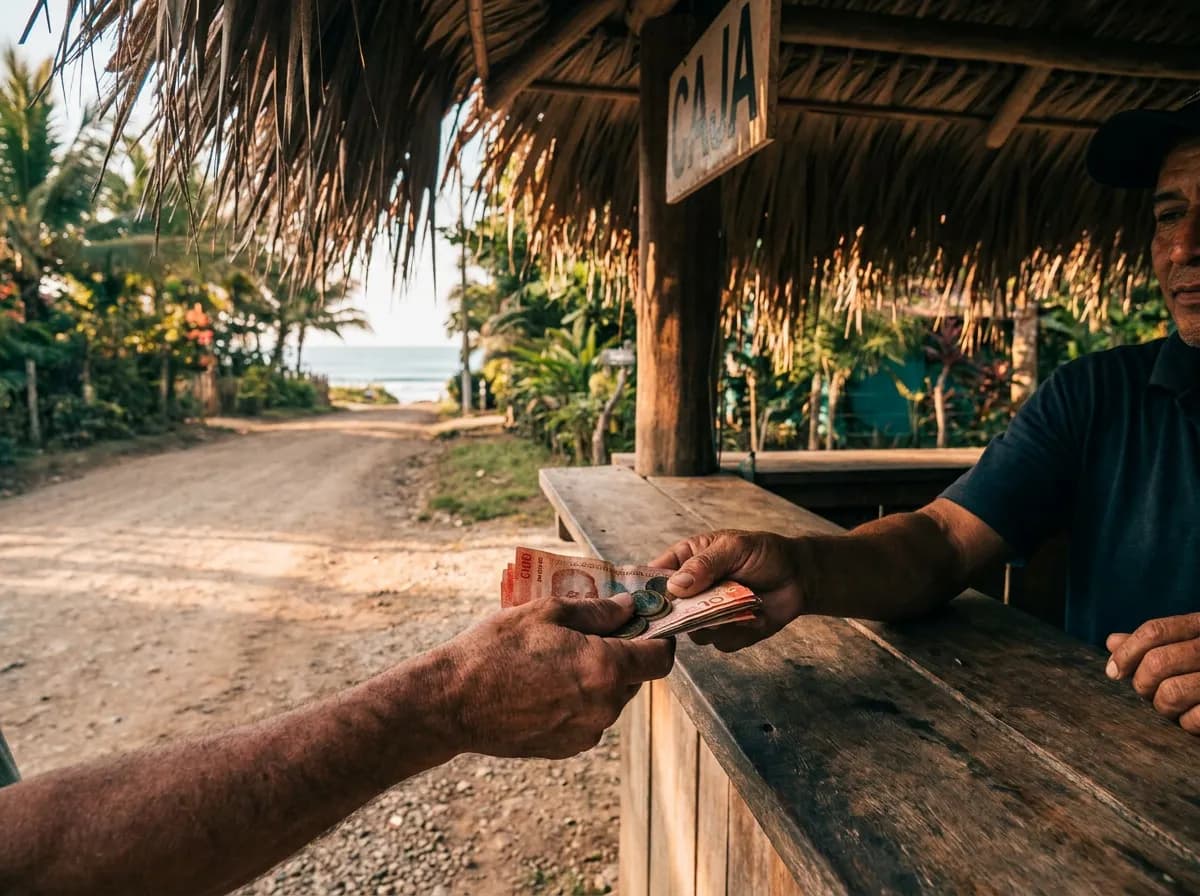
- Only carry the cash you need for the day. There are only two ATMs in town and they sometimes run out, so plan ahead (more on that in our ATMs and money guide).
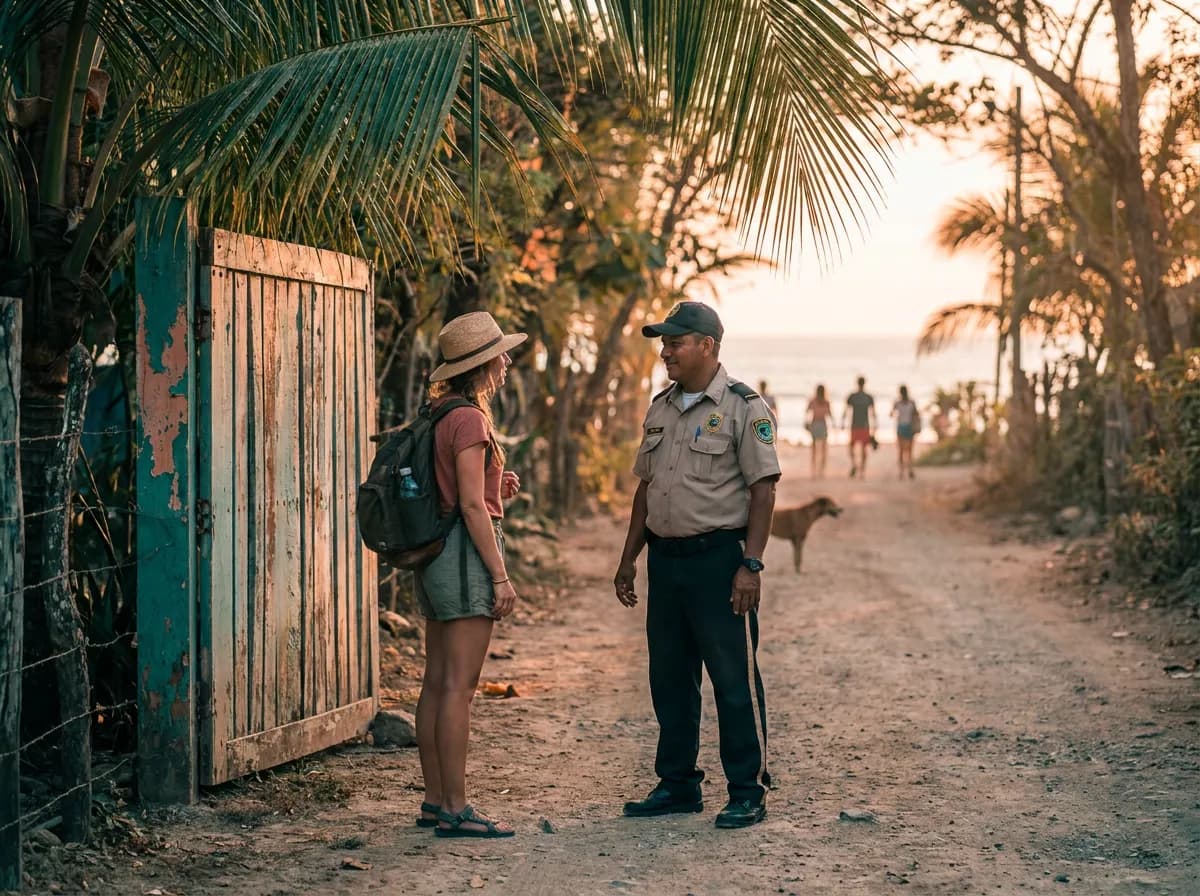
Solo female travelers: the town is generally welcoming and the community is tight-knit, but travelsafe-abroad.com rates solo female safety as a real consideration, particularly after dark. Walk with people you know at night, trust your instincts, and don't leave a bar with strangers.
Ocean Safety: Rip Currents Are Not a Joke
The surf here is powerful and beautiful and it does not care about your experience level. Rip currents exist along multiple stretches of beach and they can move fast. If you are not a confident ocean swimmer, this matters more than anything else on this list.
- Check conditions before you get in. Ask at your accommodation, a local surf shop, or anyone in the water.
- On big days, stay closer to shore if you are not a strong swimmer.
- If you get caught in a rip, do not fight it straight to shore. Swim parallel to the beach until you are out of the current, then come in.
- Consider learning with an instructor before paddling out alone. Our learn to surf guide covers the best schools in town.
For more detail on when and where conditions are safest, the tide and surf season guides are worth reading before you hit the water.
Sun, Heat, and Bugs: The Slow Dangers
These are not dramatic but they genuinely affect people every week.
Sun: The UV index here is brutal, especially between 10am and 2pm. Reef-safe sunscreen (required in Costa Rica), a hat, and a rash guard are not optional if you are spending time on the beach or in the water. Dehydration sneaks up on you fast in this heat. Drink more water than you think you need.
Water: Most tap water in Santa Teresa comes from wells. Do not drink it without asking your host specifically whether it is safe. When in doubt, buy bottled or use a filter. As feelingpuravida.com notes, the answer varies by property.
Bugs: Mosquitoes, sand flies (purrujas), and other insects are part of life here, especially in rainy season (roughly May through November). Bring DEET-based repellent for evenings and jungle paths. Our insects, heat, and dust guide goes deep on this if you are sensitive or traveling with kids.
Rainy Season Specific Risks
If you are here between May and November, add these to your awareness:
- Flash flooding can close roads and make river crossings dangerous. Do not attempt flooded roads in any vehicle.
- Mudslides are a real risk on jungle paths after heavy rain.
- Night driving becomes significantly more dangerous on wet, unpaved roads.
- The rainy season guide has full detail on what changes and what does not.
Emergency Numbers (Save These Now)
Do this before you leave your accommodation on day one.
- 911 for police, ambulance, or fire
- 8512 9111 for the local Red Cross
- 800-800-6455 for the Costa Rica Tourist Police Hotline
- 128 for the OIJ (Judicial Investigation Police)
- Nearest police station: Fuerza Publica Cobano
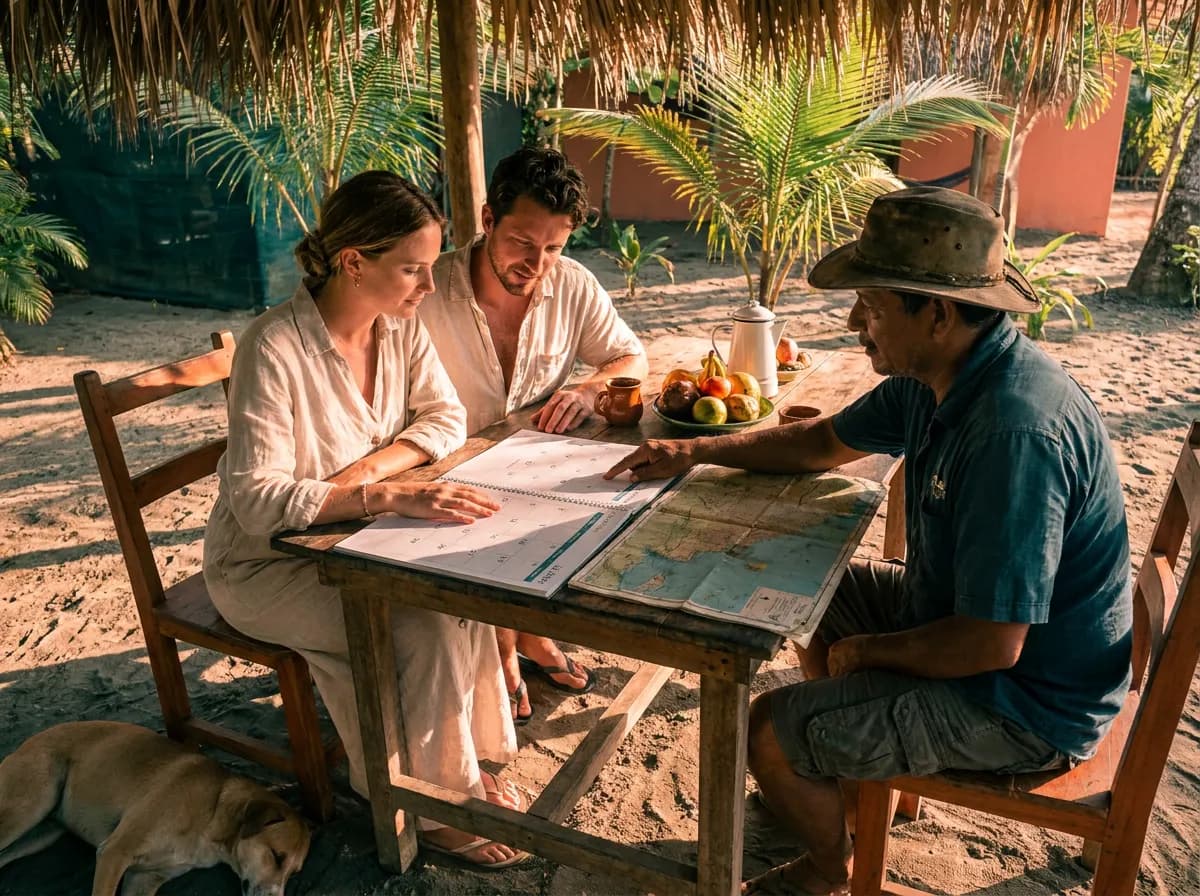
As santateresadirtroad.com recommends, add 911 and the local Red Cross number to your phone contacts before you need them. Also, know where the nearest clinic is. Our healthcare and pharmacies guide covers your options for everything from a surf injury to a stomach bug.
Travel Insurance: Not Optional Here
A surf injury, a motorbike accident, a bad stomach, a missed ferry connection because the road flooded. Any of these can happen. Standard travel insurance often does not cover adventure sports, so read the fine print. You want a policy that explicitly covers surfing, ATV riding, and ideally remote medical evacuation. This is not a place where you want to figure out the bill afterward.
A Note on Nightlife
The bars and restaurants here are genuinely fun and the community is social. We are not telling you to stay in. Just a few practical notes for nights out:
- Organize your ride home before you leave, not after your third drink.
- Keep your phone charged.
- Wear footwear you can actually walk in if things go sideways.
- Avoid beach walks alone after dark.
The nightlife guide covers the actual venues worth your time.
FAQ
Is Santa Teresa safe for first-time visitors? Yes, for the vast majority of people. The main risks are specific and avoidable: ATV accidents, petty theft, and ocean conditions. Read up on all three before you arrive and you are well ahead of most visitors.
What is the single most dangerous thing in Santa Teresa? Honestly, riding an ATV or motorbike at night, especially after drinking. It is not close. The road conditions make this genuinely hazardous and it accounts for more serious incidents than anything else.
Can I drink the tap water? Ask your host or property manager specifically. Some places have filtered or treated water, others do not. When in doubt, buy bottled. Do not assume.
Is Santa Teresa safe for solo female travelers? Mostly yes, with the same caveats as anywhere: be more cautious after dark, walk with people you know at night, and trust your gut. The community is tight-knit and generally looks out for each other.
What should I do if something goes wrong? Call 911. For medical emergencies, request the Red Cross (8512 9111 locally). Know where the Cobano police station is. Have your accommodation's number saved. Travel insurance that covers adventure sports is strongly recommended before you arrive.
For vetted accommodation options where staff can give you current local safety advice on arrival, browse the /directory/stay hub.