Coworking spaces, Wi-Fi cafés, SIM cards, monthly rentals, cost of living, best neighborhoods, and how to build a life here, written for people who work remotely and want to actually get things done.
Santa Teresa has turned into one of Central America's most livable remote-work destinations, and it earns that reputation for real reasons: the internet infrastructure has genuinely improved, the coworking scene has matured, and the community of people who actually get work done here is large enough to find your people fast. That said, this place will eat your budget and your focus if you show up without a plan.
The Honest Wi-Fi Situation
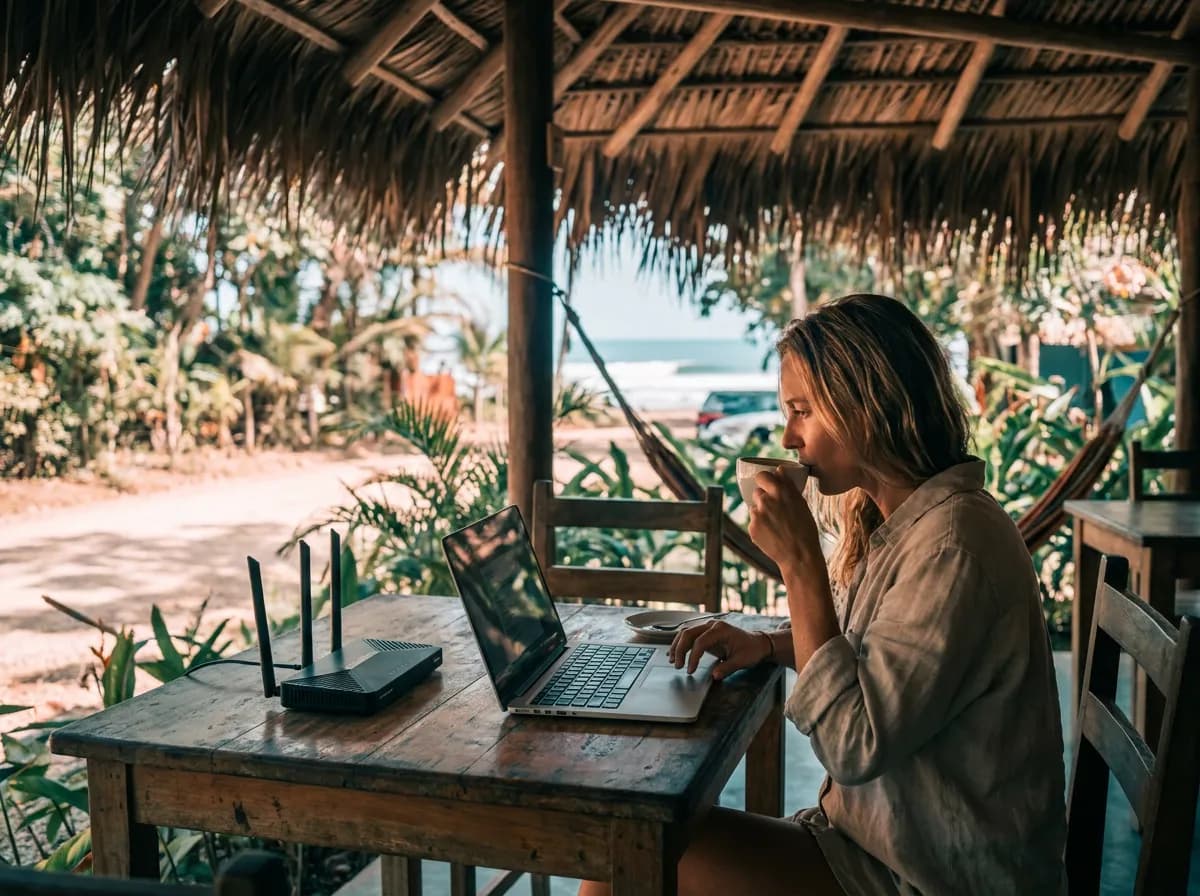
Good news first: freaking nomads reports download speeds averaging around 130 Mbps and upload around 118 Mbps for the area, which is legitimately excellent for a beach town on a peninsula that was famously off-grid not long ago. Fiber has reached the main road corridor.
The catch is consistency. Speeds vary wildly by property, and a beautiful-looking rental can still have a router from 2019 plugged into a wall in the corner of the living room. Power outages during rainy season (May through November) are real, not rare. Before you book anything for longer than a week, ask the host directly for a speed test screenshot and confirm whether they have a backup generator or UPS.
Your backup plan should always be a Kolbi SIM card. Kolbi has the best rural coverage on the Nicoya Peninsula by a significant margin. Pick one up in Cobano or at the POPS in the main Santa Teresa strip. Full details on plans and where to buy are in the phone-service-sim-cards-costa-rica guide.
For a deeper dive on property-level connectivity, read the wifi-internet-santa-teresa guide before you commit to any rental.
Coworking Spaces Worth Your Money
The dedicated coworking scene has grown up. Your main options as of mid-2026:
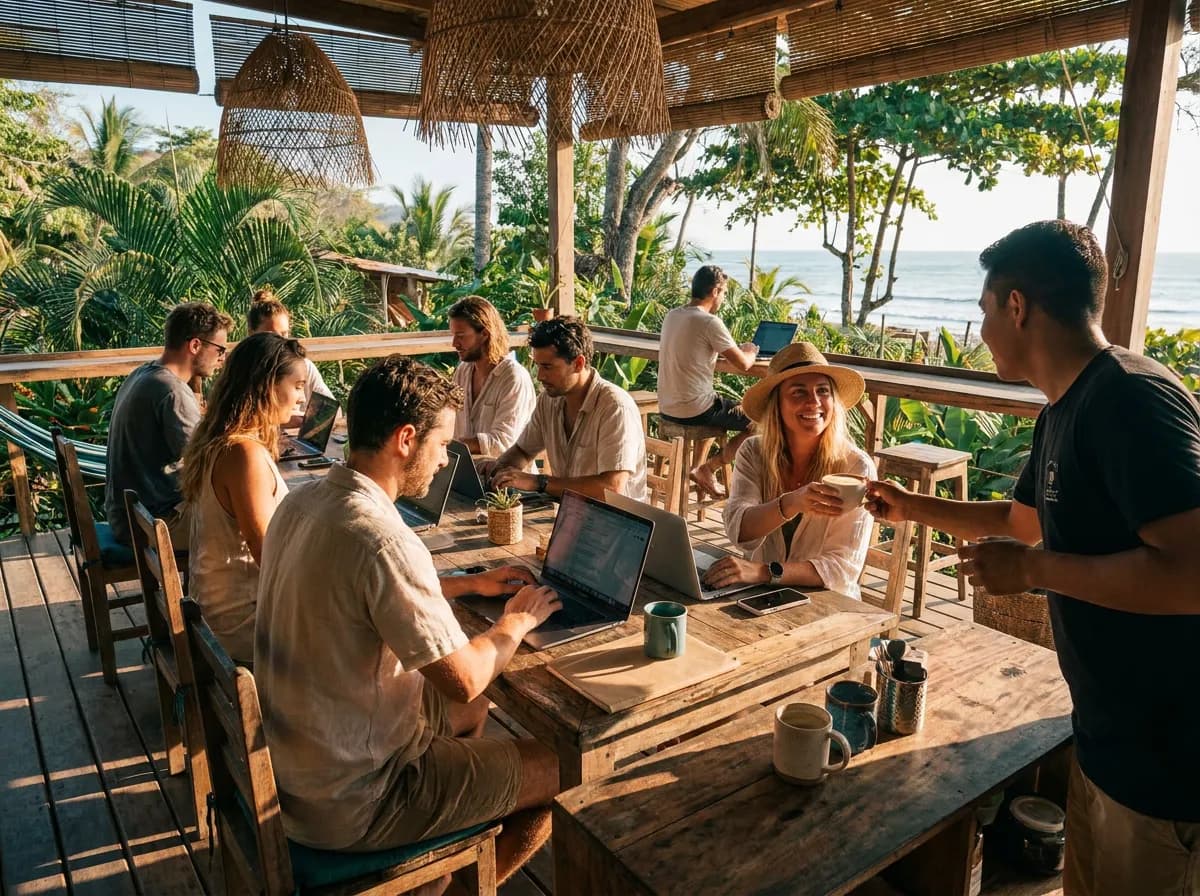
- Selina Santa Teresa is the most established, the most social, and the most budget-friendly. It works well if you want to meet people and do not need dead silence. Community vibe is strong, Wi-Fi is reliable enough for most days, and the pool does not help your productivity.
- Outsite runs three properties here (Maramar, Bungalows, and Playa). It is a coliving-plus-coworking model aimed at people who want a curated, quieter experience. Pricier than Selina, but the workspace setup is more intentional. outsite.co reports consistent 75 Mbps at their properties.
- SkyLoft is one of the newer dedicated spaces, with fast internet and ocean views that will either inspire you or distract you completely.
- Seas The Day rounds out the options for a smaller, more focused environment.
Monthly coworking passes run roughly 120-300 USD depending on the space and access level, based on current market rates. Confirm locally as pricing shifts seasonally. See the full breakdown in the best-coworking-spaces-santa-teresa guide.
Cafes That Actually Work for Working
Not every cafe with Wi-Fi is a place you can spend four hours on a deadline. The ones that actually function:
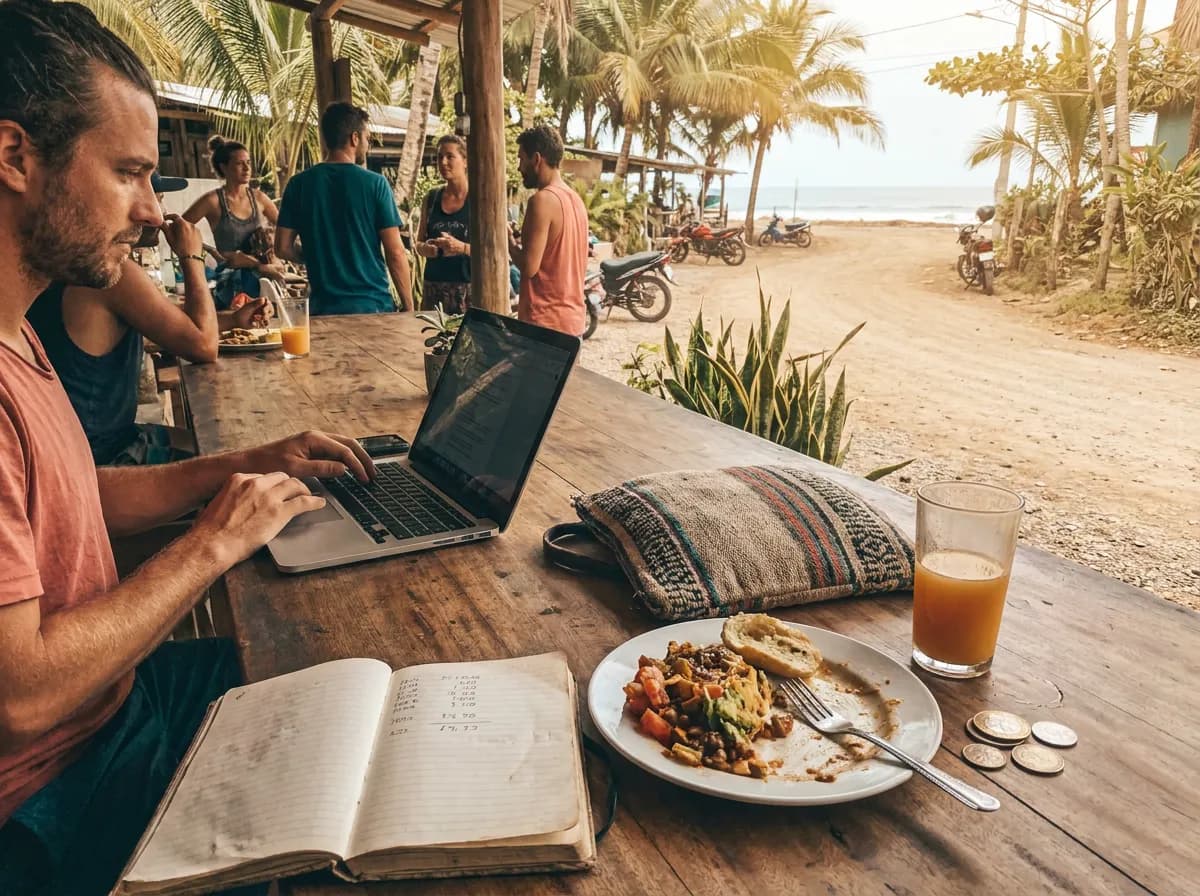
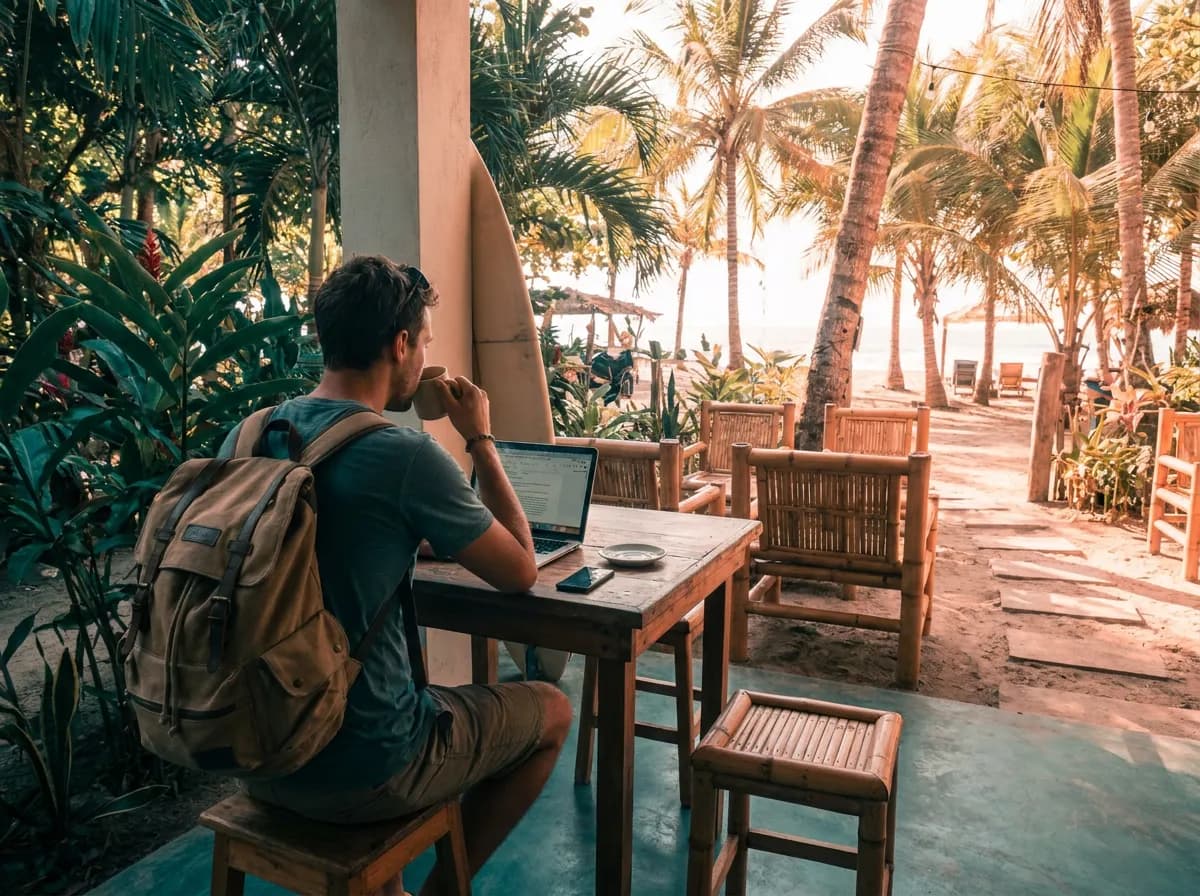
- Nordico Coffee House is the top pick for long sessions. Air conditioning, reliable Wi-Fi, good coffee, and a crowd that is there to work.
- The Roastery has arguably the best coffee in town (roasted on site), but they enforce a two-hour Wi-Fi limit. Use it for focused sprints, not all-day parking.
- Cafe Social and Cafca Cafe are solid alternatives when you need a change of scenery.
For the full coffee picture, including which spots have the best beans versus the best workspace setup, check best-coffee-santa-teresa.
Which Neighborhood to Base Yourself In
This matters more than most people realize. The santa-teresa-vs-mal-pais-vs-carmen guide covers this in detail, but here is the quick version for remote workers:
Santa Teresa proper (the main strip) gives you walkable access to coworking, cafes, surf, and nightlife. The trade-off is noise, traffic, and higher rental prices. If you need to be out of your accommodation to work, this makes sense.
Mal Pais (10 minutes south) is quieter, cheaper, and more local. Fewer coworking options, but if your accommodation has solid Wi-Fi, you may not need them. Good for people who want to focus and do not mind an ATV ride to civilization.
The middle stretches between the two towns are where a lot of long-term nomads actually land. Quieter than central Santa Teresa, closer to amenities than deep Mal Pais. This is where villa-style monthly rentals tend to offer the best value.
villaspuravida.com puts it well: a place with a kitchen, laundry, air conditioning, and reliable Wi-Fi will save you money in every other category. A cheaper rental that sends you to cafes for work and restaurants for every meal usually is not cheaper by month's end.
Monthly Rentals and Cost of Living
Santa Teresa is not cheap, and pretending otherwise would waste your time. Here is what you are actually looking at:
- Solo nomad, comfortable setup: 2,000-3,000 USD per month. This covers a decent rental, food, an ATV, coworking a few days a week, and some social spending. cowork506.com pegs this range as realistic for a comfortable lifestyle.
- Couple sharing accommodation: Cost per person drops noticeably, often landing closer to 1,500-2,200 USD each.
- Budget breakdown to watch: Accommodation is your biggest lever. A monthly rental with a kitchen cuts your food spend significantly. Eating out for every meal in Santa Teresa adds up fast.
For monthly rental strategy, including where to look, what to negotiate, and what to avoid, the monthly-rentals-santa-teresa guide is the most useful thing you can read before booking. And for a granular cost breakdown, cost-of-living-santa-teresa goes line by line.
Getting Around Without Losing Your Mind
The road between Santa Teresa and Mal Pais is unpaved, dusty in dry season, muddy in wet season, and full of potholes year-round. You need a plan for this.
Most remote workers here rent an ATV or quad for the duration of their stay. It is the most practical option for the terrain, cheaper than a car for shorter stays, and genuinely fun. See atv-quad-tours-santa-teresa for rental spots and current rates.
If you are staying longer than a month, a car rental gives you more range and comfort, especially for day trips to Montezuma, Cobano, or the ferry. The renting-a-car-costa-rica-nicoya guide covers the specifics of driving on the peninsula.
For getting here in the first place, the getting-to-santa-teresa guide covers all the routes including the ferry options explained in paquera-vs-tambor-ferry.
The Community and Visa Reality
The community here is real. cowork506.com is right that within a week you will know people. WiFi Tribe runs month-long chapters here. Selina has its own programming. There are weekly markets, yoga classes, surf sessions, and enough sunset gatherings that your social calendar fills itself if you let it.
Costa Rica has a digital nomad visa that allows up to one year, renewable, for remote workers with foreign income. Processing takes several weeks and there is a minimum income requirement. Check current thresholds before applying since they adjust. Full details are in visa-rules-costa-rica. Without the visa, you are on a standard 90-day tourist stamp, which most short-stay nomads use without issue.
Safety is generally solid for a beach town. freakingnomads.com rates daytime safety very high. Petty theft exists, so do not leave laptops visible in vehicles or unattended on the beach. The safety-santa-teresa guide covers what to actually watch for.
FAQ
Do I need to rent a coworking space or can I work from cafes? Depends on your work style. If you have video calls and need reliable, fast internet for hours at a time, a dedicated coworking space is worth it at least a few days a week. Cafes like Nordico work well for focused solo sessions but are not always ideal for calls.
What is the internet actually like during rainy season? Speeds hold up reasonably well, but power outages are the real issue from May through November. A Kolbi SIM as a mobile hotspot backup is not optional if you have client deadlines.
Is Santa Teresa better than Jaco or Puerto Viejo for remote work? Santa Teresa has better beaches and a more health-conscious community, but Jaco has more urban infrastructure and Puerto Viejo has a different vibe entirely. If surf and wellness matter to you alongside work, Santa Teresa wins. If you need a city-adjacent fallback, Jaco is more practical.
How far in advance should I book a monthly rental? High season (December through April) books up fast, sometimes two to three months out for the best properties. Rainy season has more availability and better negotiating room on price.
Can I survive here without a vehicle? Technically yes if you stay in the central Santa Teresa strip, but you will feel the limitation. Grocery runs, beach hopping, and any trip to Cobano become annoying without wheels. Most people who try to go car-free end up renting something within a week.
Browse the full /directory/services for coworking spaces, SIM card vendors, and everything else you need to set up a working life here.