How to visit Curu Wildlife Refuge from Santa Teresa in 2026: the $17 entrance fee, hours, trails, wildlife, the 75 minute drive, and the guided tours from Tiko Tours, Tropical Tour Shuttles and Enter Costa Rica compared with going on your own.
Curu Wildlife Refuge is a private reserve on the gulf side of the peninsula, about 75 minutes by road from Santa Teresa, with flat forest trails, mangroves and a calm beach. Foreign adults pay $17 at the gate (children 3 to 11 pay $9), it is open 7am to 4pm, and guided tours with transport from Santa Teresa run from $95 to $111 per person. Go early, because the animals are moving before the heat.
The short version
If you have a car and a free morning, drive yourself. The gate is $17, the main trails are flat and clear, and you will see white-faced and howler monkeys without paying for a guide. If you do not have a car, the best value is the Curu Reserve Wildlife Tour from Tiko Tours at $100 per person with entrance, transport, fruit and a naturalist guide all included. Tropical Tour Shuttles charges $95 per person (minimum two) for a longer six hour day with lunch. The Enter Costa Rica listing starts at $111 and leaves the $15 entrance fee for you to pay at the gate.
Curu is a quiet, shady half day. It is not a zipline or a waterfall, and nothing here is built for adrenaline. People who like birds, monkeys and slow walking love it. People who want a big day out should look at the Isla Tortuga trip or the Montezuma waterfalls instead.
What Curu is
Curu is a 1,496 hectare refuge of dry forest, mangrove estuary, grassland and beach between the towns of Tambor and Paquera. It was declared a wildlife refuge in 1981, and unusually it is still managed privately by the family that owns the Hacienda Curu farm. That is why the entrance fee is set by the reserve and why tours by outside operators do not include it unless they say so.
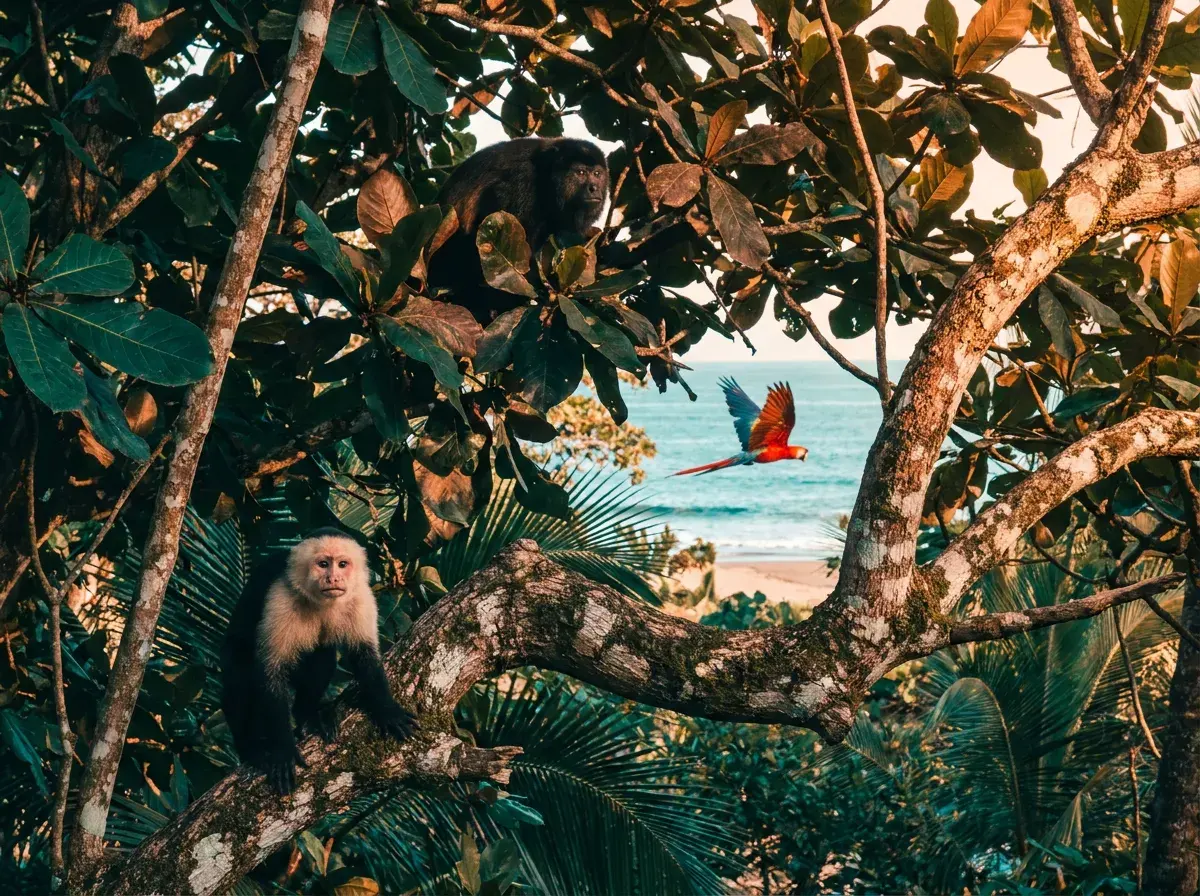
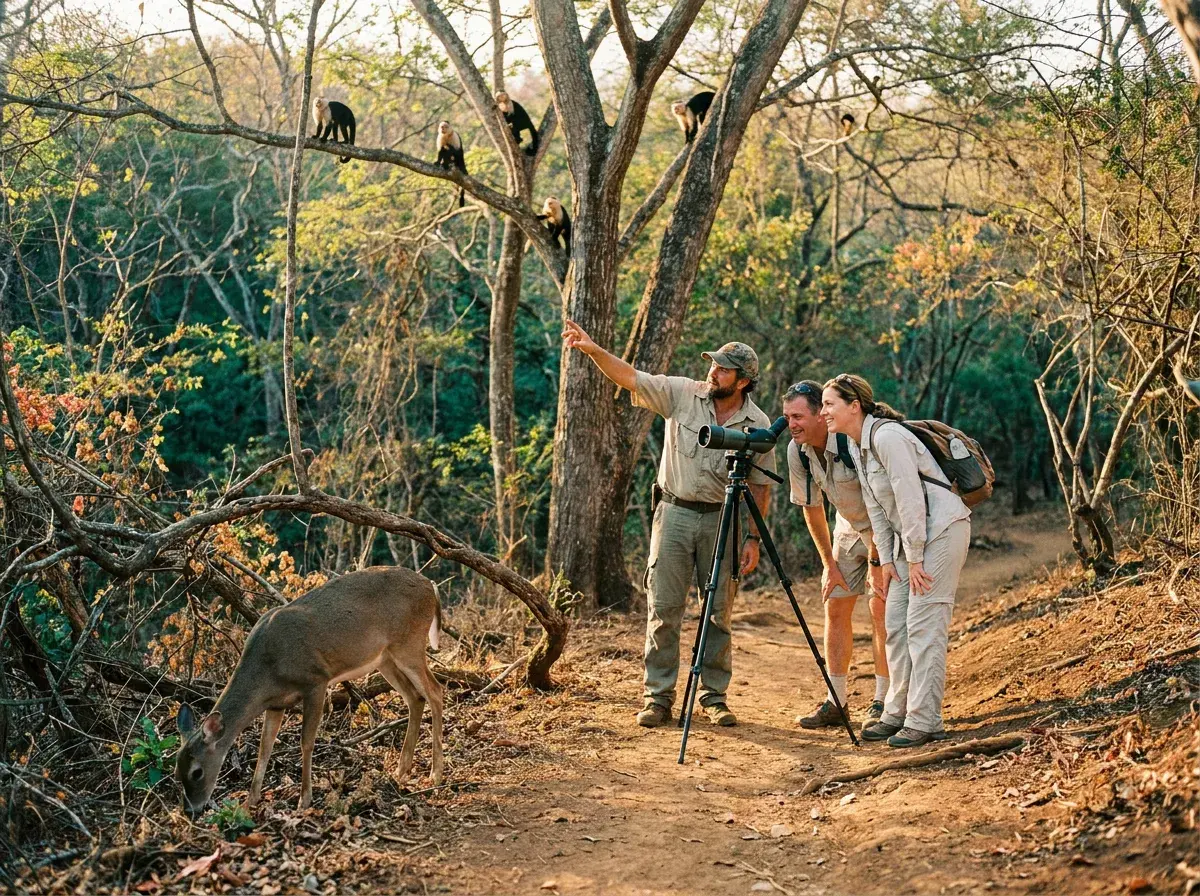
The numbers the reserve and tourism board quote are 78 mammal species, 232 bird species, 87 reptile species and more than 500 plants. In practice you will see howler monkeys and white-faced capuchins, coatis, agoutis, white-tailed deer, iguanas and a lot of land crabs on the beach. Tropical Tour Shuttles also says Curu is the one place on the Nicoya Peninsula where you can see spider monkeys and that it holds the area's most important population of scarlet macaws. I have not seen a spider monkey there myself, so treat that as a possibility and not a promise. The official site lists the orange-fronted parakeet, yellow-naped parrot, scarlet macaw and long-tailed manakin among the birds.
Entrance fee, hours and rules
The fees below come from the most recent write-up, Two Weeks in Costa Rica, last updated July 2025. Older pages quote $13 and $15, so the fee has risen over time and you should expect it to move again.
| Visitor | Day entrance |
|---|---|
| Foreign adult | $17 |
| Foreign child, 3 to 11 | $9 |
| Costa Rican citizen or resident, adult | $7 |
| Costa Rican citizen or resident, child | $4 |
Day visitors can enter from 7am to 4pm daily, and no reservation is needed for the standard trails. The reserve's own FAQ states that under its management plan only guests staying in the cabins may remain after 4pm, so everyone else has to be out. You pay again if you come back on another day, and tour prices from outside operators usually exclude the fee unless the listing says otherwise.
Do not feed the monkeys or any other animal. Signs on the estuary warn about crocodiles, so keep your distance from the water's edge on the Ceiba trail.
The trails
The Two Weeks in Costa Rica walkthrough lists these trails from the visitor centre, and all of them are flat.
- Manakin Trail (Sendero Toledo): about 200 metres south along Playa Curu, crossing a rustic bridge over a tidal river. Short, and good for the long-tailed manakin.
- Monkey Farm Trail (Sendero Finca de Monos): about 2 km through mangrove and lowland forest. The best of the main trails for birds and small mammals early in the morning.
- Ceiba Trail (Sendero Ceiba): about 2 km with small waterways, ending at a lagoon where a crocodile lives.
- Crab Trail (Sendero Cangrejal): a flat 1 km loop through sparse forest and mangrove.
- Entrance road (Camino Principal): the road back to the visitor centre, which is where a lot of the wildlife shows up.
- Playa Quesera trail: about 5 km to a quiet beach. As of July 2025 it is open by reservation only, and the number given is +506 6209-3846. Horseback tours also go there.
Playa Curu itself is a wide, gentle cove that works for swimming with kids. Playa Quesera is the more remote beach, and it is the extra you get if you book ahead.
Curu's own activities
The reserve runs guided horseback tours to Quesera Beach and around the hacienda, which you buy through its site, curuwildliferefuge.com. Two Weeks in Costa Rica quotes $20 per hour for horseback. It also offers kayak rentals and tours, meals, and cabin stays. If you want a long day, a horse ride to Quesera followed by lunch is the fuller version of Curu, and my own horseback riding guide covers the Santa Teresa side of the sport if you want to compare.
Guided tours from Santa Teresa
I checked each operator's own page. Zuma Tours lists a Curu Naturalist Guided Tour, but its page shows no price, duration or group size, so ask by WhatsApp on (506) 8840-4389 before counting on it.
Tiko Tours
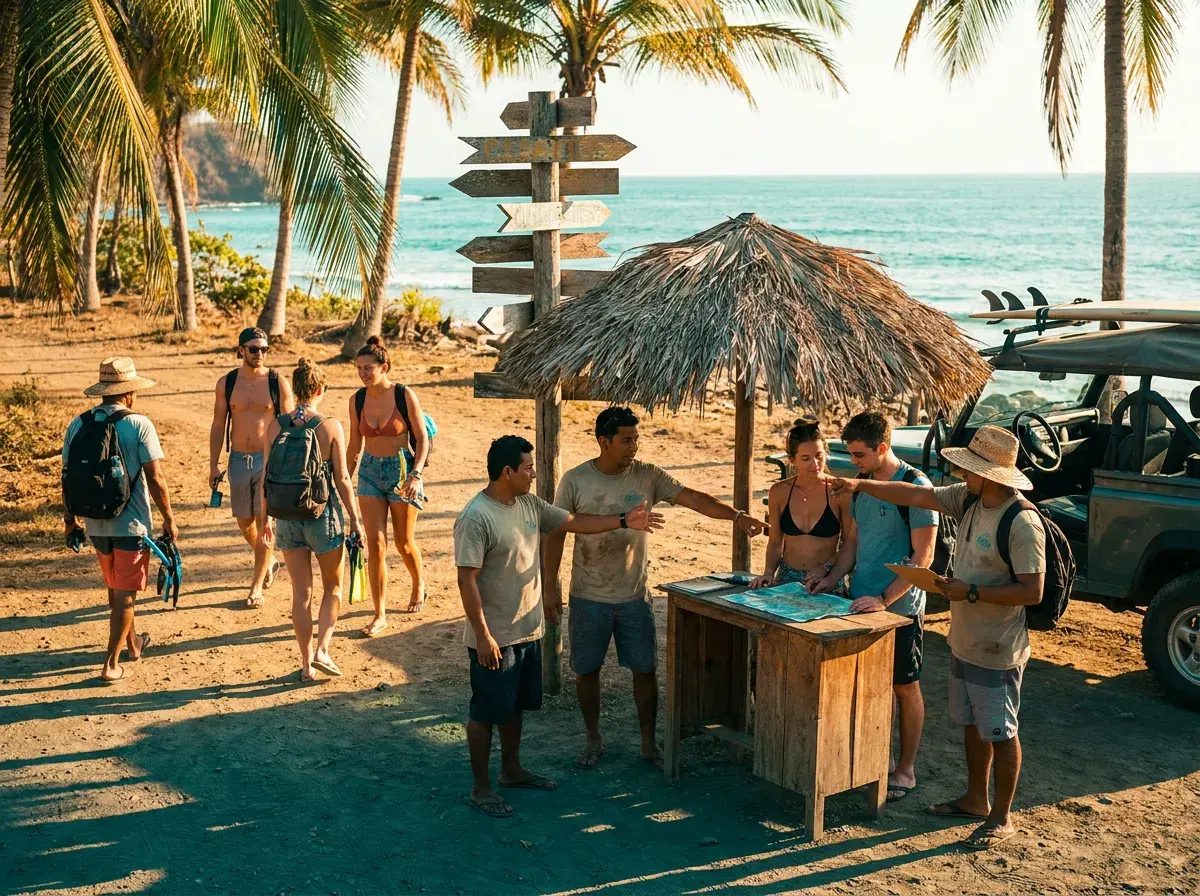
Tiko Tours is based in Playa Carmen, and its Curu Reserve Wildlife Tour is a group walk with a naturalist guide. Its page shows $100 total, with each additional adult at $100 and a child under 12 at $75, plus 13% tax. Pickup is at 7am from Santa Teresa and the guided trail time is about two and a half hours. It includes the entrance fee, transport and fresh fruit. A 50% deposit or full payment holds the booking and cancellation is free up to 48 hours ahead. A private option exists at a different time. Booking is by WhatsApp on +506 8651 2093. This is the cleanest price in town because the entrance fee is inside it, which saves $34 for two adults and an argument at the gate.
Tropical Tour Shuttles
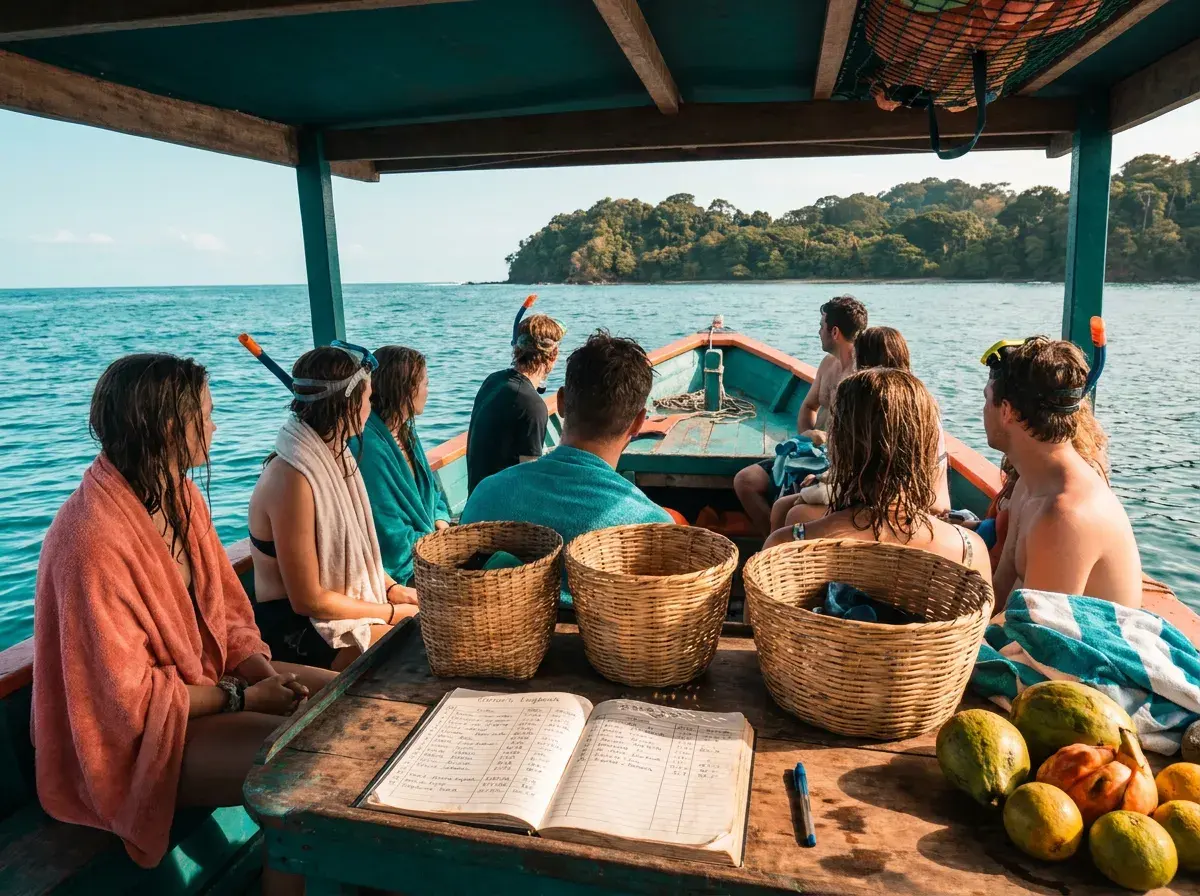
Tropical Tour Shuttles sells The Wildlife Refuge of Curu Tour at $95 per person with a minimum of two people. It picks up around 6am to 7am from hotels in Montezuma, Mal Pais and Santa Teresa, runs about six hours (07:00 to 13:00 on its schedule), and includes a naturalist guide, snacks and lunch. Its page does not say whether the entrance fee is included, so ask. They also mention a kayak out to La Quesera as an alternative to walking. Who it suits: couples and families who want a full morning with lunch and do not want to drive.
Enter Costa Rica (Pacific Trade Winds)
Enter Costa Rica lists a Curu Reserve Hike under its Tambor tours from $111 per person, 08:00 start, about 3.5 to 4.5 hours including transport, with a bilingual guide and drinks. The page says the $15 entrance fee is paid on site and is not included, although one line of the page contradicts that, so confirm in writing. Pickup covers Mal Pais, Montezuma, Santa Teresa and Tambor. It is the most expensive of the three once you add the gate fee, so I would pick Tiko or Tropical first.
Sellers that resell the same trip
You will see Curu on several online marketplaces and hotel tour desks. They resell one of the operators above and add a margin, so ask which operator is actually driving, whether entrance is included and where pickup is, and book that operator directly. The booking comparison in our tours hub explains the difference.
Going on your own
From Santa Teresa the drive is about 1 hour and 15 minutes according to one tour operator's listing (1 hour from Mal Pais, 45 minutes from Montezuma, and about 25 minutes from Tambor). The reserve sits between Tambor and Paquera and the entrance is on the left if you are heading toward Paquera from Tambor. There is a car park near the visitor centre. No road condition report is published, so ask your host or car rental about the Paquera and Tambor road in rainy weather. You do need a car or a taxi, and there is no Uber or Bolt in Santa Teresa. Our car rental guide and getting around without a car explain the options.
The arithmetic for two adults. Self drive is $34 in entrance fees plus fuel and your own time, and you walk without a guide. The Tiko tour is $200 plus tax for the same two people with transport, a guide and fruit. A guide is worth the extra if you want animals spotted for you, because the monkeys are at eye level only if someone tells you where to look.
Curu with Isla Tortuga
Curu sits on the same stretch of coast as Isla Tortuga, and Two Weeks in Costa Rica notes that the reserve itself offers day tours to Tortuga Island and bioluminescence night tours, which is how some visitors stack the two. No combined price for Curu plus Tortuga in one day is published, so ask the reserve or an operator directly. Tiko's private Tortuga tour includes a stop at Playa Quesera as an add-on, which is the closest thing to a combination. Our Isla Tortuga guide has the full price breakdown, and the bioluminescence guide covers the night option on the same coast.
When to go and what to bring
Go in the first hour after the gate opens. The animals feed in the cool of the morning and the trails get hot by 10am. Dry season (December to April) gives easier footing and more predictable mornings. In green season (May to November) the trails are muddier, there are more mosquitoes and more birds, and the afternoon rain starts early, so keep to the morning. Our rainy season guide has the pattern.
Bring closed shoes, a hat, sunscreen, insect repellent, a lot of drinking water, and a swimsuit if you plan to use the beach. Bring some cash for the gate in case the card terminal is down. Lunch is available at the reserve, so you do not have to carry food.
Is Curu worth it compared with Cabo Blanco?
Cabo Blanco is closer (30 to 40 minutes from Santa Teresa), cheaper at $12 entrance, and has bigger forest, but it is closed Mondays and Tuesdays and the main trail is long and steep. Curu is flat, quiet and easy for small children, but it is farther and its entrance fee is higher. If you only have time for one reserve and you want a hike, take Cabo Blanco. If you want easy animal spotting with kids, take Curu. Our wildlife guide lists what lives where.
Browse every tour and outdoor operator in one place at the /directory/activities hub.
FAQ
How much does it cost to enter Curu Wildlife Refuge?
Foreign adults pay $17 and children 3 to 11 pay $9, according to a July 2025 write-up. Costa Rican citizens and residents pay $7 for adults and $4 for children. The fee has changed over the years, so check at the gate.
What are Curu's opening hours?
Day visitors can enter from 7am to 4pm every day. Only guests staying in the reserve's cabins may stay after 4pm.
How far is Curu from Santa Teresa?
About 1 hour and 15 minutes by car from Santa Teresa according to a tour operator, around 25 minutes from Tambor, and the reserve is between Tambor and Paquera. Tours from Santa Teresa pick up at 6am to 7am.
Do I need a guide at Curu?
No. The Monkey Farm, Ceiba and Crab trails are flat and well marked, and you can see monkeys without a guide. A naturalist guide helps you find birds and smaller animals, and the Tiko Tours option at $100 per person includes one with entrance and transport.
What animals can you see at Curu?
Howler monkeys, white-faced capuchins, coatis, agoutis, white-tailed deer, iguanas, crocodiles in the lagoon, and birds including scarlet macaws, long-tailed manakins and parrots. The reserve lists 78 mammal and 232 bird species.
Can you combine Curu with Isla Tortuga?
The reserve says it offers its own Tortuga Island day tours, and Tiko can add a Playa Quesera stop to a private Tortuga trip. No combined price is published, so ask the reserve or an operator directly.